Choose the Right Martial Arts Class
Work out which style of martial arts suits you or your child before you book a single trial.
We help people decide whether karate, kickboxing, krav maga, or a gentler martial art makes sense for them. Getting that choice right matters: the wrong style wastes money and confidence, while the right one builds real skill and the resilience that comes with it. We ask four plain questions about who is training, what they want, how much contact is comfortable, and when they can realistically train, then point toward the style family that fits.
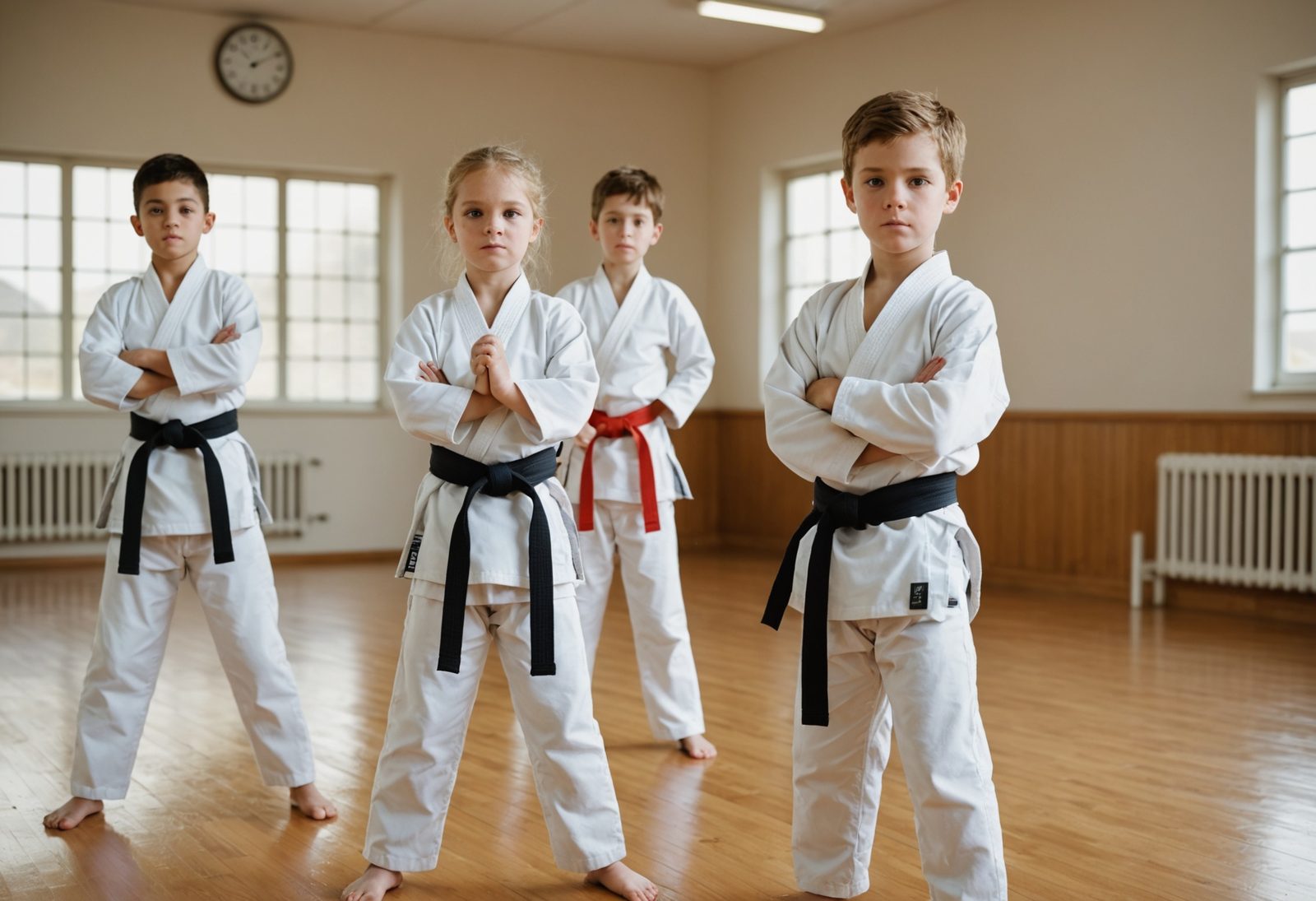
Many readers are parents looking for an after-school martial arts program for their children. Others are adults searching for classes themselves—whether adult martial arts classes in Burlington or fitness-focused kickboxing. We start with what a class actually teaches and what you say you want, not with which school pays for marketing. We never recommend a business without knowing what its pages say it offers.
| Style | Teaches | Common settings | Full contact |
|---|---|---|---|
| Karate | Striking with fists and feet, from a stable stance. Forms (kata) teach sequences and muscle memory. | Kids and adults, often together in one studio. Classes 45–60 minutes. | Light to moderate, depending on the school. |
| Kickboxing | Punching and kicking combinations, footwork, and cardio fitness. Faster pace than karate. | Mostly adults and teenagers. Bags, pads, and occasional sparring. 60 minutes. | Light, on pads; heavy contact optional for advanced students. |
| Krav Maga | Defense against realistic attacks: how to block and escape from holds, strikes, weapon threats. | Adults, some kids (usually 10+). Smaller studios. 60 minutes. | Moderate, with control. No face contact. |
| Aikido | Using an attacker's momentum against them through throws and joint locks. Emphasis on flow. | Mixed ages. Quiet classes. 60 minutes. | Minimal; this is a grappling art with controlled falls. |
What moves the price
Cost depends on how often you train and whether you pay per class or a monthly membership.
Drop-in trial class $15–20
A single class at a new studio, no membership required. Most schools offer one trial free or at low cost.
Typical range based on published class rates
4 classes per month $60–100
One class a week, the most common commitment for people building a habit. Usually billed monthly.
Typical range based on published class rates
Unlimited monthly $120–180
As many classes as you want in a month. Often includes weapons training or private lessons.
Typical range based on published class rates
Annual membership $1,200–1,800
Unlimited training over 12 months, sometimes with reduced rates for initial fees.
Typical range based on published class rates
What we stand behind
The right class teaches what you actually want to learn, with instructors who explain why they teach it that way, in a place where you feel safe trying something difficult.

Self-defense basics at home
Resources worth looking at
- The style quiz — Four questions to narrow down which class would suit you.
- Finding a class by referral — How to ask around and check what you hear.
- Training sensibly — Warming up, building gradually, what to mention to an instructor.
- Their website — See what they offer and what their program covers.