Our Work
We built a guide to help you choose a martial arts or self-defense class by matching what you're looking for to what each style trains. Here's how we put it together, and what it covers.
The decision framework we created
Our core tool is the style chooser on the services page. It works by asking what matters to you: whether it's your own training or your child's, what you want to build — fitness, self-defense skills, focus and confidence, or just something to do after school — how much contact you're comfortable with, and when you can realistically train. Those four questions narrow down what you should look at, because the right class depends on what you're actually trying to get done, not on what's nearest to you or what your friends chose.
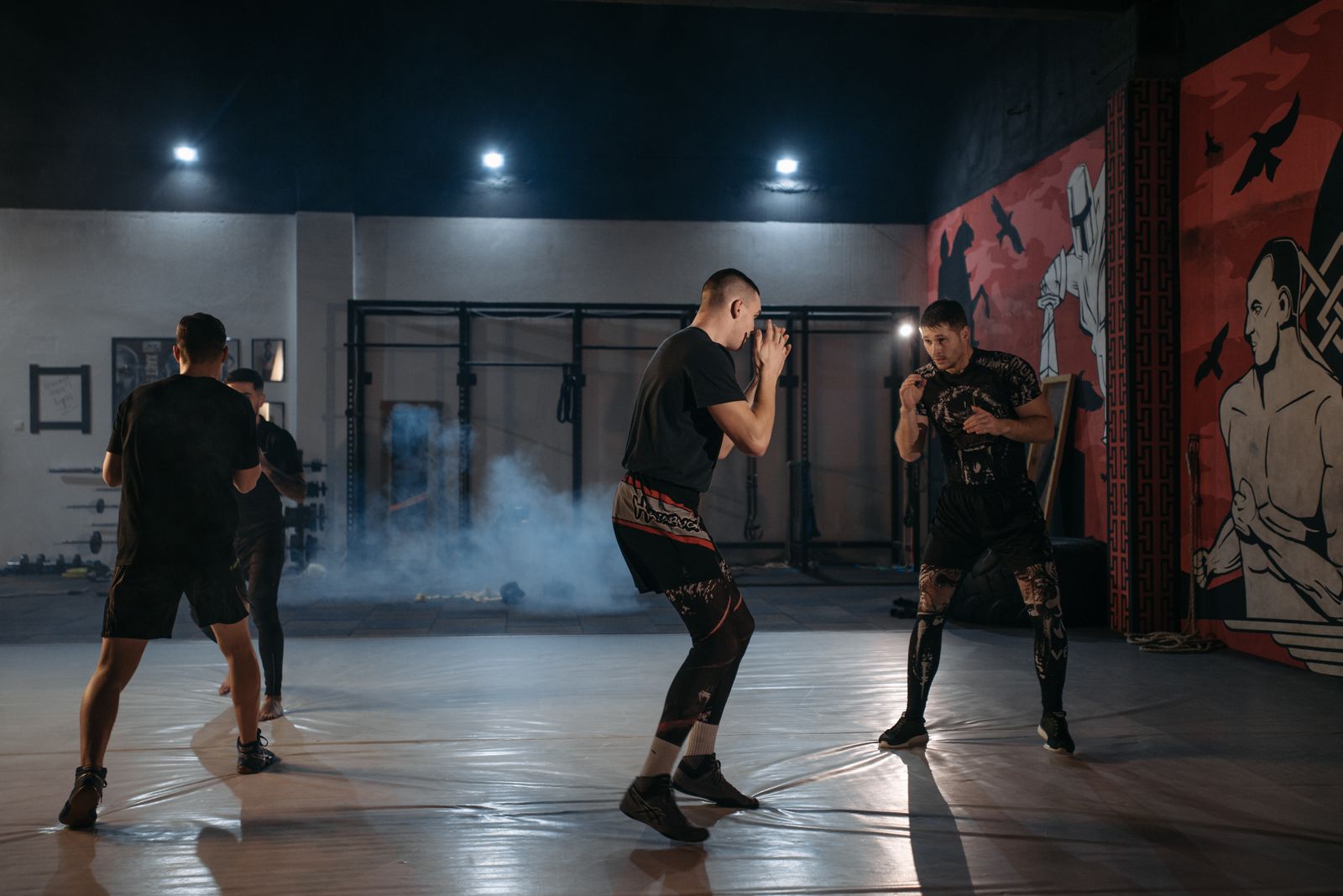
The chooser gives you a primary recommendation from three style families — karate, kickboxing, or krav maga — plus a runner-up, so you're never locked into one answer. It explains what each style trains, what a typical class feels like, and the trade-off you accept: krav maga moves fast and gets practical quickly; karate takes longer to show results but builds stronger foundations; kickboxing is intense cardio from the start. That matters because people make different choices when they know what they're signing up for.
But knowing which style might suit you isn't enough. We also built a guide to the five or six questions worth asking any school before you book a trial class — about class size, the instructor's background, how they handle kids at different fitness levels, whether they talk about safety. You can check those things against any school, which is more useful than our opinion about a particular one.
Beyond the chooser
We wrote a set of short, dated notes on training sensibly: how to warm up properly, how to build up gradually if you're coming back after a long break, what to tell an instructor if you have an old injury, and general awareness habits for self-defense training. These aren't a substitute for a doctor's advice if you have a real injury, but they help you think through what to watch out for in your first weeks of training.
We also published a guide on how to find a class you can trust. It's not by reading reviews — it's by asking people who know: friends who train, your child's school, or a doctor if health is a concern. We explain what to ask them and how to check what they tell you before you book. That matters because a personal recommendation from someone who knows you is often more reliable than anything you'll find online.
Finally, we answered the question of whether martial arts is open to people with different needs: limited mobility, sensory sensitivities, first-timer's nerves, or an older body. The answer is yes, and we explain what questions to put to a school about adapting a class and what you can reasonably expect to be able to ask for.
What we've measured
- 4
- questions the style chooser asks, to understand who's training and what they're looking for
- 8
- pages on this site, covering how to choose a class, how to train safely, how to find a trustworthy school, and whether martial arts works for people with different needs and abilities
- 3
- style families the chooser compares — karate, kickboxing, and krav maga — plus self-defense as a fourth option for adults looking for practical, real-world techniques